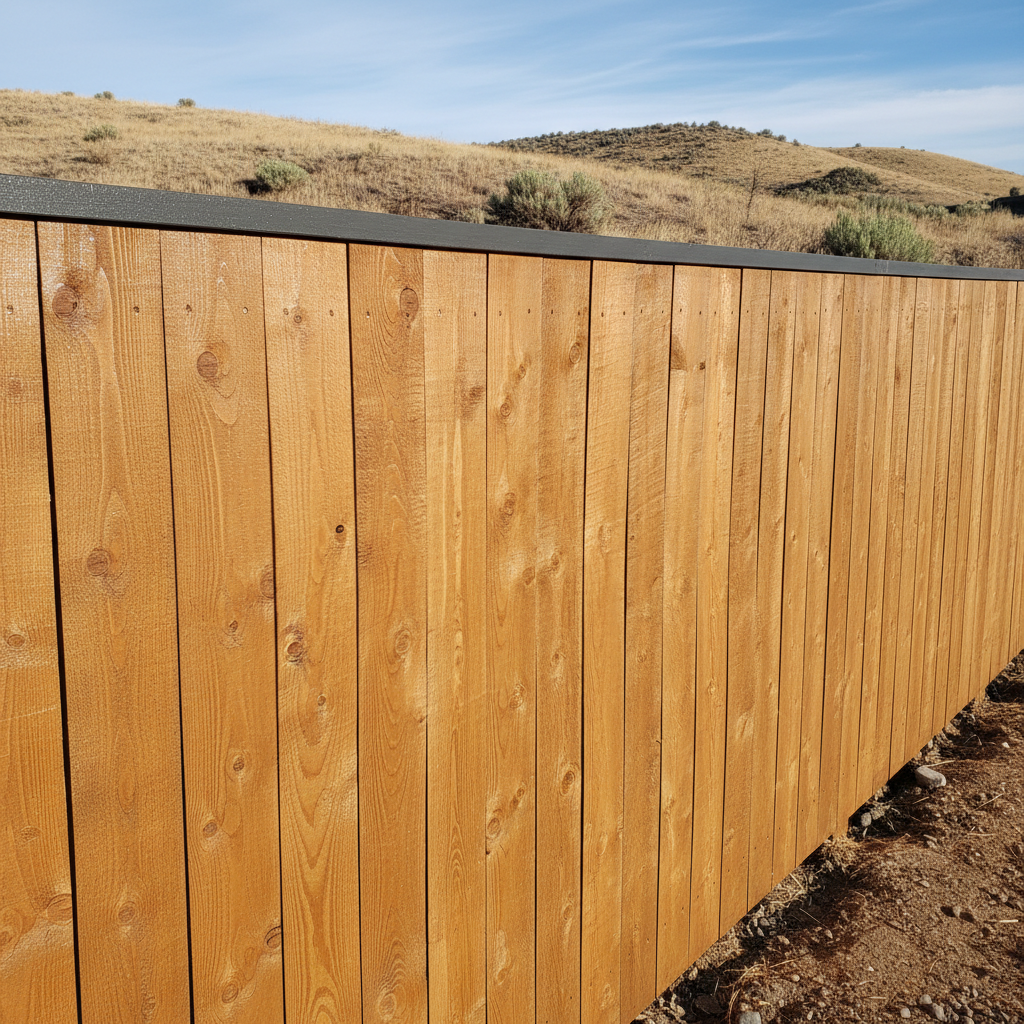
Alright, let's talk about your fence. Maybe it's looking a little weathered, or you just want to change things up. Staining or painting it can make a huge difference, not just in how it looks, but in how long it lasts. But before you grab a brush, there's a few things you gotta consider.
Before You Even Think About Color
First off, what kind of fence do you have? If it's a brand new cedar fence, you're in a different boat than if you've got an old pressure-treated pine fence that's seen a decade of Othello's hot summers and cold, dry winters. The material dictates a lot.
- Clean it up: This is non-negotiable. You can't put new stain or paint over dirt, mildew, or peeling old finishes. A good power wash is usually the way to go. Be careful not to blast too hard, especially on softer woods, or you'll splinter it. If there's mildew, you'll need a cleaner specifically for that. Let it dry completely – and I mean completely – before moving on. That usually means a few days, especially if we've had any rain.
- Repairs: Got loose boards? Nails sticking out? Fix 'em now. Replace any rotted sections. There's no point in putting a fresh finish on a fence that's falling apart.
- Old finish: If your fence was previously painted and it's peeling, you'll have to scrape and sand those loose bits. If it was stained, and the old stain is still pretty solid, you might be able to just clean and re-stain. But if it's flaking, you'll need to strip it down. This is where it gets labor-intensive for DIY.
Stain vs. Paint: What's the Difference?
This isn't just about color; it's about protection and maintenance down the road.
Fence Stain
Stain penetrates the wood. It lets the natural grain show through, which I think looks great on a lot of fences, especially if you've got a nice wood like cedar. There are different types:
- Clear or Transparent: Offers UV protection but minimal color. Best for showing off beautiful wood.
- Semi-Transparent: Gives you some color while still letting the grain peek through. This is a popular choice for good reason.
- Solid/Opaque: Looks a lot like paint, but it's still a stain. It hides the grain but still penetrates the wood, so it's less likely to peel than paint.
Stain tends to wear off over time rather than peel, which makes reapplication easier. You usually just clean and re-stain. It's great for protection against our dry Othello air, which can really suck the life out of wood.
Fence Paint
Paint sits on top of the wood, forming a protective layer. It gives you a solid, uniform color and can really make a statement. If you want a specific color match or a very clean, finished look, paint is your friend.
- Durability: Good quality exterior paint can be very durable.
- Maintenance: The downside is that when paint fails, it often peels and chips. This means a lot more prep work (scraping, sanding) when it's time to repaint.
For most residential fences around here, I usually lean towards a good quality solid stain. It gives you the color you want with less headache down the road for upkeep.
Application Tips and Tricks
Whether you're staining or painting, the process is pretty similar:
- Weather matters: Don't do this on a super hot, sunny day, or when it's windy. The product will dry too fast, leading to streaks and uneven application. Overcast but dry days are ideal. Check the forecast – you need a few dry days after you apply too.
- Protect your surroundings: Lay down tarps. Tape off anything you don't want to get paint or stain on. This includes plants, concrete, your neighbor's prize-winning petunias.
- Brushes, Rollers, or Sprayers:
- Brushes: Best for detailed work, small areas, and getting into all the nooks and crannies. Slow but thorough.
- Rollers: Faster for flat surfaces. You'll still need a brush for edges and gaps.
- Sprayers: Fastest method, but requires skill and a lot more masking. If you've never used one, practice on some scrap wood first. Overspray is a real problem, especially with our occasional gusts of wind that come off the Columbia Basin. You don't want to accidentally stain your car or your neighbor's house.
- Two thin coats are better than one thick one. Always. It dries better, adheres better, and looks better.
When to Call a Pro (Like Othello Fence Solutions)
Look, I'm all for homeowners tackling projects, but sometimes it's just not worth the hassle or the risk. Here's when you should seriously consider calling us:
- Your fence is huge: Got a quarter-mile of privacy fence? That's days of work, not hours.
- Extensive prep work: If your old paint is peeling everywhere, or you have serious mildew issues, stripping and sanding can be a nightmare. We've got the right tools and experience to make quick work of it.
- You don't have the time or patience: This is a big one. It's a commitment. If you rush it, it'll look bad and won't last.
- You want a flawless finish: While you can do a good job, a professional has the experience to get a smooth, even, streak-free finish, especially with sprayers.
- Safety concerns: If your fence is on a steep incline or requires ladders in tricky spots, it might be safer to let the pros handle it.
For a small section of fence, or if you're just doing a re-stain over a solid existing coat, you can definitely DIY. But for bigger jobs, or if you want it done right the first time without the headache, give Othello Fence Solutions a call. We're happy to give you an estimate and talk through your options. It's about protecting your investment and making your home look good.