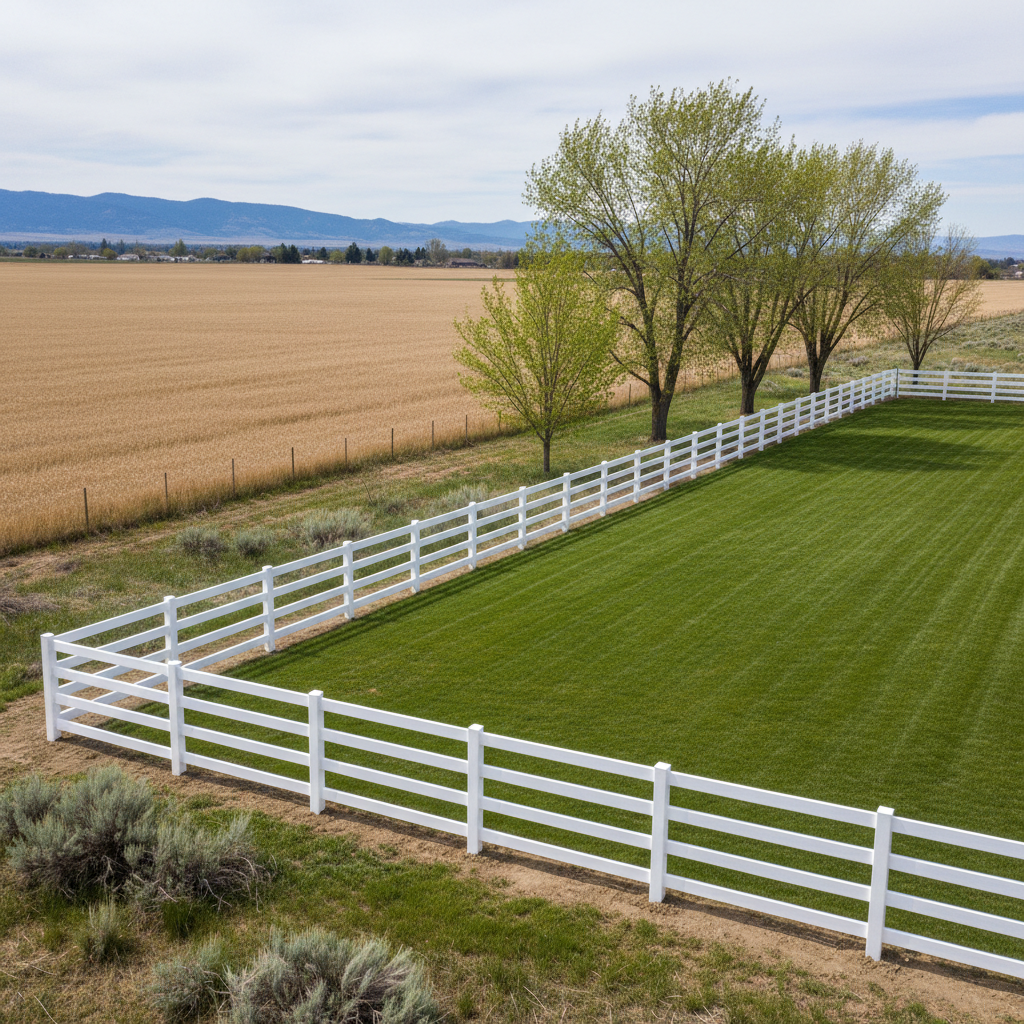
So, you're thinking about putting in a new farm fence, huh? Good for you. A solid fence isn't just about keeping livestock where they belong or critters out; it's a real investment in your property, your peace of mind, and how you run things. But it's not something you just wake up and decide to do on a Tuesday. There's quite a bit of planning involved if you want it done right, without a huge headache.
Setting Your Timeline: What to Expect
First things first, let's talk about how long this all takes. Most people figure, “I need a fence, I’ll call someone, and it’ll be up next week.” That's usually not how it goes, especially with a farm fence. These projects are bigger, often covering a lot more ground, and can involve trickier terrain or specific needs like cross-fencing or dealing with irrigation lines.
From your first call to the fence actually being finished, you're probably looking at anywhere from 4 to 12 weeks. Sometimes even more for really massive jobs or if you hit peak season. Here's a rough breakdown:
- Initial Contact & Consultation (1-2 weeks): You give us a call, and we set up a time to come out, walk your property, and chat about what you need. This isn't just about measuring; it's about really understanding your goals, your livestock, and your land. We'll talk about materials – barbed wire, woven wire, high-tensile, wood posts, steel posts – and figure out what makes the most sense for your specific situation.
- Quote & Contract (1-2 weeks): We'll put together a detailed quote for you. Once you look it over and we answer any questions, we'll get a contract signed. This officially locks in your project and gets you on our schedule.
- Permits & Utilities (2-4 weeks, or more): Depending on your property and where the fence will go, you might need permits. We can help guide you here, but often, you, the homeowner, will need to handle this directly with the county. Also, we absolutely have to call 811 to get underground utilities marked. That's non-negotiable. Nobody wants to hit a power line or a water main, right?
- Material Ordering & Delivery (2-6 weeks): Farm fencing materials, especially specialized stuff, aren't always just sitting in a warehouse down the street. We order quality materials, and sometimes there's a bit of a wait. Good materials are definitely worth it.
- Installation (1-4 weeks): This is when the real work begins. How long we're actually on site depends a lot on the fence's length, the terrain, and the type of fence. Digging post holes in that hard Othello soil, particularly if it's been dry, can take a bit longer than you might expect.
So yeah, plan ahead. Don't wait until your cows are really testing the old fence's limits to start making calls.
What to Expect During the Process
Once you've signed on the dotted line with Othello Fence Solutions, here's generally what you can expect:
- Communication: We'll definitely keep you in the loop. If there's a delay with materials or due to weather, you'll know.
- Site Prep: Before we show up, we'll talk about any clearing you might need to do. We can clear brush and small trees, but if you've got a jungle along your fence line, it's often more cost-effective for you to handle the really heavy stuff.
- Utility Marking: We'll make sure 811 has been called and all lines are marked. Seriously, this is a big deal.
- Noise & Activity: Building a fence isn't a quiet job. There will be post drivers, generators, and crew members. It's temporary, but something to keep in mind if you have sensitive livestock or neighbors.
- Cleanup: We'll clean up our mess. You won't be left with scraps of wire and empty material packaging scattered across your fields.
How to Prepare Your Property
You can make the whole process smoother by doing a little groundwork yourself:
- Clear the Fence Line: As I mentioned, clear out any heavy brush, small trees, or debris where the fence will go. The clearer the path, the faster and more efficiently we can work.
- Mark Property Lines: If you're not absolutely sure where your property lines are, get them surveyed or at least clearly marked. You really don't want to build a fence on your neighbor's land, or worse, have them build one on yours.
- Secure Animals: On installation days, make sure any livestock are moved away from the work area. This is for their safety and our crew's.
- Access: Make sure we have clear access to the fence line for our vehicles and equipment.
- Water/Power: If you have an outdoor spigot or power outlet near the work area, it can be helpful, though it's not always essential.
Questions to Ask Before Signing a Contract
Before you commit to any contractor, including us, ask these questions. A good contractor won't mind answering them:
- What's included in the price? Get a detailed breakdown. Does it include material delivery, post-hole digging, installation, cleanup? Are there any hidden fees?
- What kind of warranty do you offer on your work and materials? A reputable contractor stands behind their work.
- Are you licensed and insured? This is non-negotiable. You want to make sure you're protected if something goes wrong. We're fully licensed and insured, of course.
- What's your estimated start date and completion date? Get a realistic timeframe.
- How do you handle unforeseen issues? What if we hit rock? What if the ground is unexpectedly soft? How will that affect the cost and timeline?
- What are the payment terms? How much deposit is required? When are progress payments due? When is the final payment?
- Can you provide references from other farm fencing projects? Talk to other folks who've used them.
- Who will be my main point of contact during the project? You'll want to know who to call if you have questions or concerns.
Choosing the right contractor and doing your homework upfront will save you a lot of grief down the road. A good farm fence is a big deal, and we want to make sure you get exactly what you need, built to last. Give Othello Fence Solutions a call when you're ready to get serious about your next project.