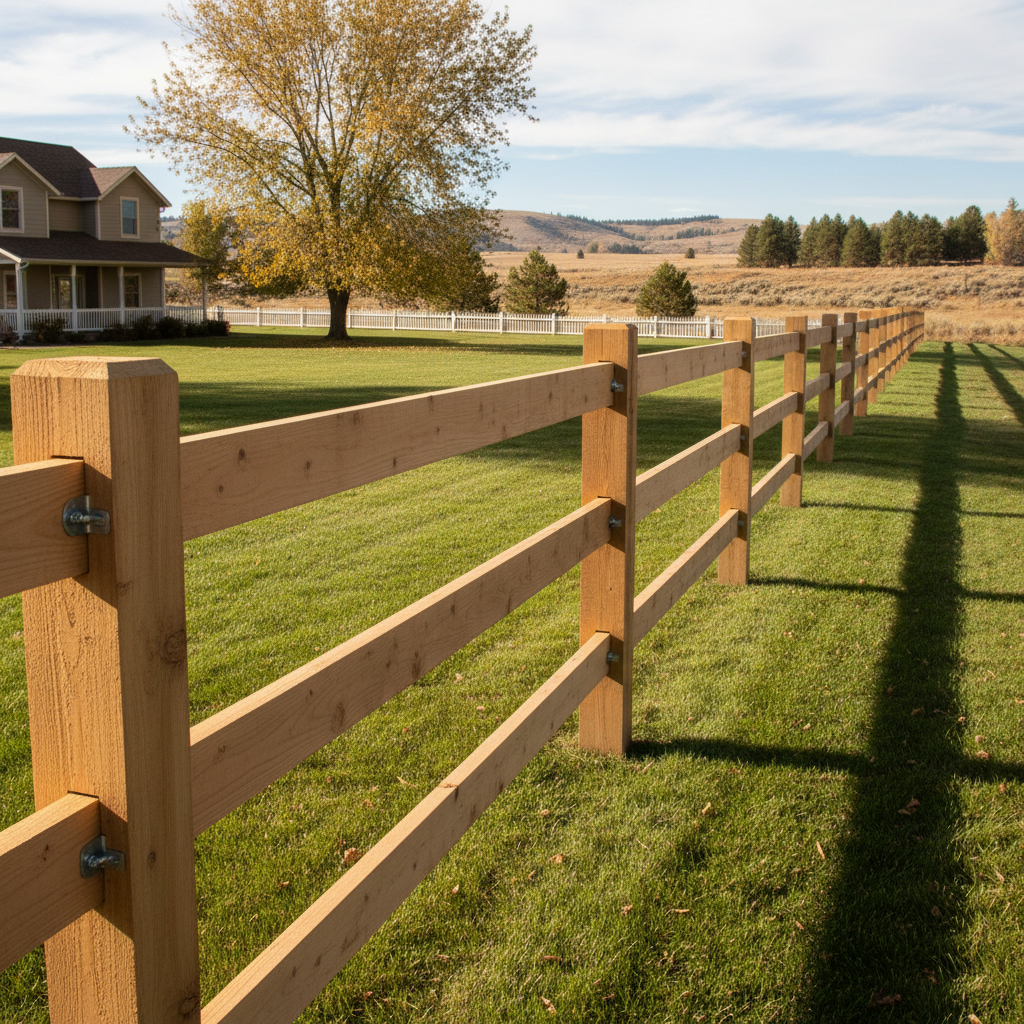
Farm fences around Othello aren't just property lines; they're critical infrastructure. They keep your livestock where they belong, protect your crops, and secure your property. The thing is, they don't last forever without a little TLC. I've seen too many good fences go bad because folks didn't know what to look for or just put off the small stuff. Let's talk about how you can keep your farm fencing in great shape and avoid bigger headaches down the road.
Extend Your Fence's Lifespan Right from the Start
The best maintenance starts with a good installation. If you're putting in new fencing, don't skimp on the materials or the labor. For our area, especially with the winds we get blowing across the Columbia Basin, you need sturdy posts set deep. I'm talking at least 30-36 inches deep for most line posts, and corner or gate posts even deeper, usually 4 feet, with proper bracing. We've got some pretty sandy, loose soil in parts of Othello, particularly out towards the agricultural fields west of town, so those posts need extra stability. Using pressure-treated lumber or steel posts is a no-brainer for longevity. If you're using wood, make sure it's rated for ground contact. Galvanized wire is also key; it resists rust a lot better than plain steel, which is important when you consider our wet winters and the occasional snow.
Proper tensioning is another big one for wire fences. Too loose, and it sags and livestock push through. Too tight, and it can snap under stress from temperature changes or impacts. A good installer knows how to get that just right. It's not just about getting it up; it's about getting it up right so it can stand up to years of use and our local weather.
Your Regular Farm Fence Maintenance Checklist
Think of your fence like any other piece of farm equipment – it needs regular checks. I tell my clients to do a full fence line inspection at least twice a year, maybe once in the spring after the thaw and again in the fall before the real cold sets in. Here's what you should be looking for:
- Walk the Line: Literally, walk the entire length of your fence. Look for anything out of place.
- Check Posts: Are any posts leaning, rotted at the base, or loose in the ground? Give them a good shove. If they wobble, they're a problem.
- Inspect Wire: Look for broken strands, saggy sections, or places where the wire is rubbing against posts and wearing thin. Make sure insulators on electric fences aren't cracked or missing.
- Gates & Hardware: Gates take a lot of abuse. Check hinges, latches, and posts supporting the gates. Are they sagging? Do they close securely? Lubricate hinges if they're squeaky or stiff.
- Clear Vegetation: Keep weeds, brush, and small trees cleared away from the fence line. Not only does it make inspections easier, but vegetation can hold moisture against posts, promoting rot, and can short out electric fences.
- Look for Damage: Any signs of animal impacts, fallen branches, or even vehicle damage? Fix it fast.
Small repairs done quickly prevent big problems. A loose staple today can lead to a broken wire tomorrow, and a broken wire can mean a lost animal or damaged crops.
Warning Signs You Can't Ignore
Sometimes, a fence will tell you it's in trouble before it completely fails. You just need to know how to listen. Here are some red flags:
- Excessive Sagging: If your wire fence looks like a roller coaster, it's lost its tension. This is an open invitation for animals to push through.
- Widespread Post Rot: You might see mushrooms growing at the base of wooden posts, or the wood might feel soft and spongy when you poke it. This means the post is compromised and won't hold up much longer.
- Broken Bracing: Corner and gate posts rely on bracing for stability. If a brace is broken or loose, that whole section of fence is under stress.
- Frequent Shorts on Electric Fences: If your electric fence tester is constantly showing a short, even after you've cleared vegetation, you might have a bigger issue with insulators or the wire itself.
- Visible Rust or Corrosion: While some surface rust is normal, deep pitting or flaking on metal components means their structural integrity is weakening.
Ignoring these signs is like ignoring a check engine light in your truck. It's only going to get worse, and more expensive, if you don't address it.
When to Call in the Professionals
Look, I'm a big believer in doing what you can yourself. But there are times when it's just smarter, and safer, to bring in the pros. If you're seeing widespread issues – say, multiple posts rotting across a long stretch of fence, or significant sections of wire needing replacement – that's when you should pick up the phone. Re-tensioning a whole fence line correctly takes specialized tools and know-how. Dealing with complex gate installations or repairs, especially heavy-duty farm gates, can also be tricky. If you're not comfortable working with high-tension wire or digging deep post holes in tough ground, don't risk it. It's better to invest in a professional repair or replacement than to have a fence fail completely and deal with the consequences. Here at Othello Fence Solutions, we've got the equipment and the experience to tackle those bigger jobs, making sure your farm fences are built to last and keep doing their job for years to come.