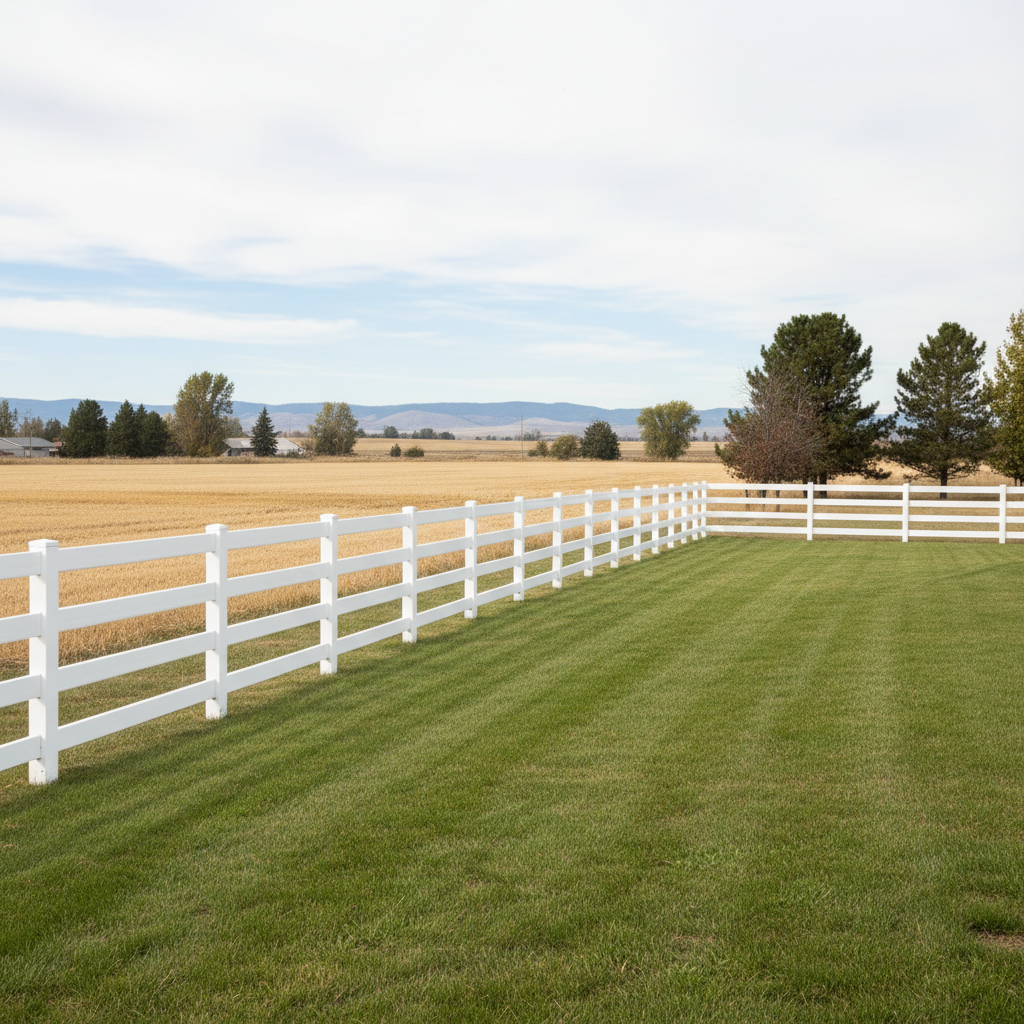
Alright, let's talk farm fences. You'd think it'd be straightforward, right? Put up some posts, string some wire, call it a day. But I've been doing this long enough in Othello to tell you, there are some classic blunders folks make that can cost a lot of time, money, and headaches down the road. You want to avoid regret? Pay attention.
Not Knowing Your 'Why'
This is probably the biggest one. Before you even think about materials or contractors, you gotta get crystal clear on why you need this fence. Is it for cattle? Horses? Sheep? Keeping deer out of your crops? Each of those needs a different type of fence. Cattle need something sturdy that can handle a good rub and won't get pushed over. Horses need smooth wire or tape to prevent injuries. Goats? They're escape artists, you'll need something tight and probably taller than you think. If you just say, 'I need a farm fence,' you're setting yourself up for a fence that doesn't do its job, or one that's way overkill and overpriced.
Ignoring the Ground Beneath Your Feet
Here in Othello, we've got some interesting soil. Especially out towards the more irrigated farmlands, you can hit some pretty rocky patches or, conversely, really soft, sandy spots. I've seen folks try to put in posts without considering this. You can't just expect every post hole to be a perfect cylinder. If you're hitting basalt rock every few feet, your installation method and even your post choice might need to change. Trying to ram a standard post into solid rock is a recipe for broken equipment and a lot of frustration. And if it's too soft, your posts won't hold up to pressure without extra bracing or deeper installation. A good contractor will scope out the ground first, but you should be aware of what's under your property.
Skimping on Materials (Especially Posts)
I get it, everyone wants to save a buck. But a farm fence isn't a decorative garden border. It's a working structure. The posts are the backbone of that structure. If you go too cheap on posts, or pick the wrong type for your application, you're just building a temporary fence. Pressure-treated wood is good, but make sure it's rated for ground contact. Steel posts can be great, but they need to be installed correctly to prevent bending. Don't fall for the cheapest option if it means your fence will be leaning or failing within a few years. That 'savings' will turn into double the cost when you have to redo it.
Not Factoring in Maintenance
No fence is truly maintenance-free, especially not a farm fence. Some require more than others. Barbed wire might need occasional tensioning. Electric fences need regular checking for shorts and proper voltage. Wood fences will eventually rot or need repairs. When you're planning, think about how much time you're willing to put into upkeep. If you're short on time, maybe a high-tensile woven wire fence with sturdy steel posts is a better long-term investment than a cheaper, less durable option that'll constantly demand your attention.
Hiring the Wrong 'Guy'
This is a big one. Just because someone says they can build a fence doesn't mean they can build a farm fence. It's a different beast than a backyard privacy fence. You need someone who understands livestock pressure, proper bracing, grounding for electric fences, and how to work with the terrain. Ask for references, specifically for farm fencing projects. Look at their past work if you can. A good contractor, like us at Othello Fence Solutions, will ask you a ton of questions about your needs, walk your property, and explain the pros and cons of different options. If they just give you a quick price over the phone without seeing the site or asking about your animals, that's a red flag. You want someone who's thinking about the long haul, not just getting the job done fast.
Forgetting About Gates
It sounds simple, but I've seen it happen. People plan out miles of fence and then realize they didn't properly account for gates. Where do you need them? How wide do they need to be? Do they need to be strong enough for vehicles or just foot traffic? What kind of latch system do you want? A poorly placed or flimsy gate can undermine the entire fence line. Think about your daily operations and how you'll move animals and equipment through the property.
Look, building a good farm fence is an investment. Do your homework, ask the right questions, and don't rush into decisions. A little planning upfront can save you a whole lot of grief down the line.